
 Image 1 of 1
Self Shoot Your Documentary | 24th - 26th November 2026
Self-Shoot Your Documentary
Introduction
Want to learn how to make your own documentary from behind the camera? Self-Shoot Your Documentary is a practical, hands-on course designed to give you the skills and confidence to plan, shoot and tell a compelling documentary story yourself.
You'll explore the key skills involved in self-shooting documentary filmmaking, including developing an idea, researching contributors, planning a shoot, operating a camera, recording sound, conducting interviews and capturing engaging observational footage. You'll also learn how to think editorially while shooting, making creative decisions that help shape your story.
Ideal for aspiring documentary filmmakers, content creators and those looking to develop their camera and storytelling skills, this course will give you practical experience of working as a self-shooter and an insight into the skills required to create professional documentary content.
Course Outline
During the course, you'll explore:
What makes a documentary? – exploring different documentary styles and approaches, from observational and factual storytelling to character-led films.
Developing your idea – learning how to find a story, develop a concept and identify what makes it interesting to an audience.
Research and preparation – exploring how to research your subject, identify contributors and prepare effectively for a shoot.
Planning a documentary shoot – developing practical shooting plans, schedules and contributor arrangements.
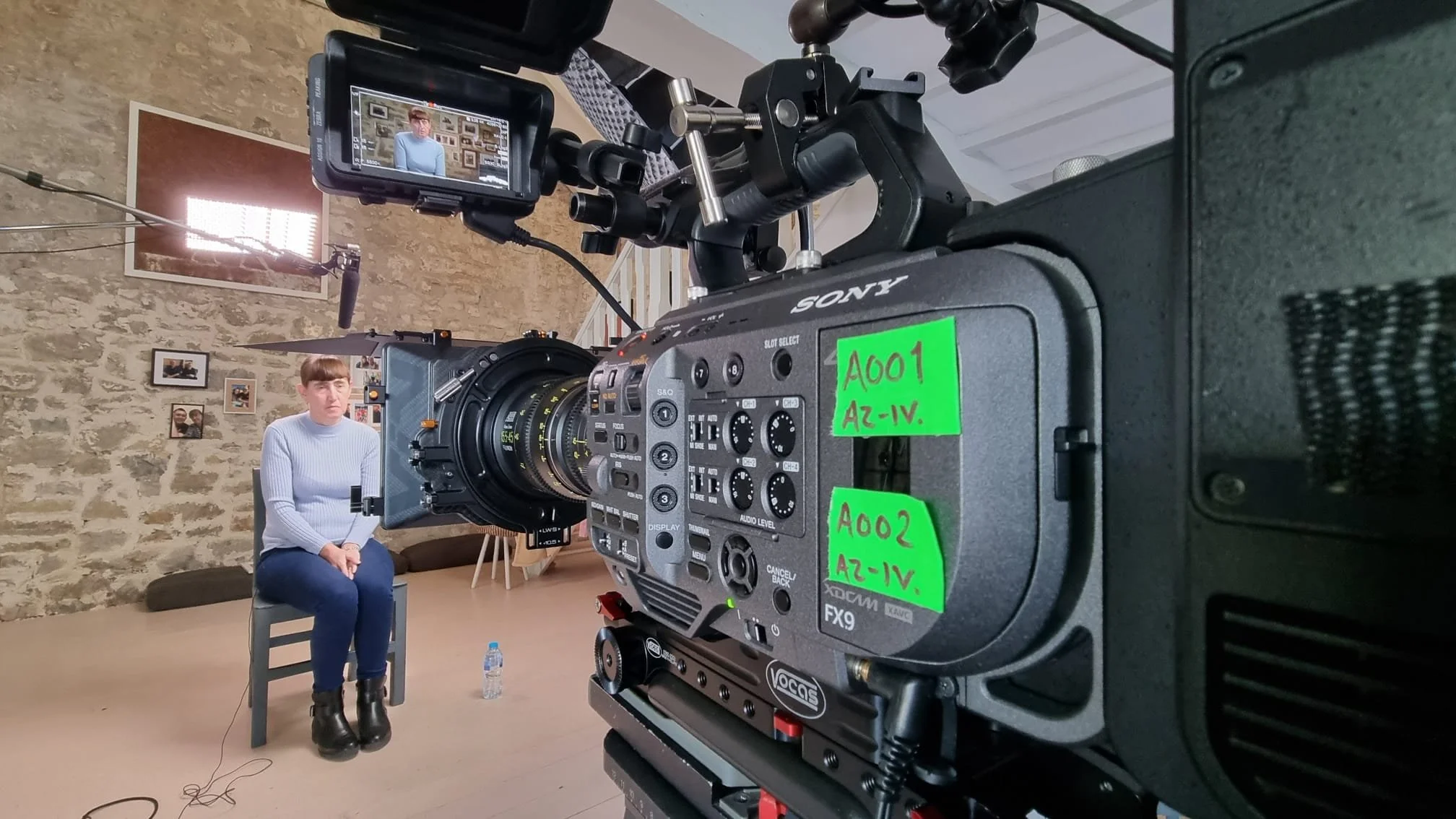
Self-shooting camera skills – learning how to confidently operate a camera while working as a one-person production team.
Composition and visual storytelling – exploring framing, shot selection, camera movement and how to capture footage that helps tell your story.
Recording sound – learning the fundamentals of capturing clean dialogue and usable location sound while operating the camera.
Shooting interviews – exploring interview preparation, question development, framing, lighting and sound.
Observational filming – learning how to capture natural moments, action and atmosphere without disrupting the story.
Working with contributors – understanding how to build trust, communicate professionally and create a comfortable environment for contributors.
Thinking editorially while shooting – learning how to identify potential story moments and make decisions that will support the edit.
Working with available light and locations – exploring practical approaches to lighting and filming in real-world environments.
Managing a self-shoot – developing strategies for balancing camera, sound, interviews, contributors, locations and storytelling.
Reviewing your footage – understanding how to assess rushes and identify the material needed to build a documentary story.
Learning Outcomes
By the end of the course, you will be able to:
Understand the fundamentals of documentary filmmaking and different documentary styles.
Develop and refine a documentary idea for a specific audience.
Research a subject and identify potential contributors and story opportunities.
Plan and prepare effectively for a documentary shoot.
Operate a professional camera while working as a self-shooting filmmaker.
Apply effective principles of composition, framing and visual storytelling.
Capture clear dialogue and usable location sound while self-shooting.
Plan and conduct effective documentary interviews.
Capture observational footage, atmosphere and supporting material.
Work professionally and respectfully with documentary contributors.
Make editorial and creative decisions while filming.
Identify potential challenges when working as a one-person production team and develop practical solutions.
Review and assess documentary footage with the edit and final story in mind.
Understand potential career opportunities and next steps within documentary filmmaking, self-shooting and factual television.
No previous documentary filmmaking experience is required, although some knowledge of basic camera operation is helpful.
Self-Shoot Your Documentary
Introduction
Want to learn how to make your own documentary from behind the camera? Self-Shoot Your Documentary is a practical, hands-on course designed to give you the skills and confidence to plan, shoot and tell a compelling documentary story yourself.
You'll explore the key skills involved in self-shooting documentary filmmaking, including developing an idea, researching contributors, planning a shoot, operating a camera, recording sound, conducting interviews and capturing engaging observational footage. You'll also learn how to think editorially while shooting, making creative decisions that help shape your story.
Ideal for aspiring documentary filmmakers, content creators and those looking to develop their camera and storytelling skills, this course will give you practical experience of working as a self-shooter and an insight into the skills required to create professional documentary content.
Course Outline
During the course, you'll explore:
What makes a documentary? – exploring different documentary styles and approaches, from observational and factual storytelling to character-led films.
Developing your idea – learning how to find a story, develop a concept and identify what makes it interesting to an audience.
Research and preparation – exploring how to research your subject, identify contributors and prepare effectively for a shoot.
Planning a documentary shoot – developing practical shooting plans, schedules and contributor arrangements.
Self-shooting camera skills – learning how to confidently operate a camera while working as a one-person production team.
Composition and visual storytelling – exploring framing, shot selection, camera movement and how to capture footage that helps tell your story.
Recording sound – learning the fundamentals of capturing clean dialogue and usable location sound while operating the camera.
Shooting interviews – exploring interview preparation, question development, framing, lighting and sound.
Observational filming – learning how to capture natural moments, action and atmosphere without disrupting the story.
Working with contributors – understanding how to build trust, communicate professionally and create a comfortable environment for contributors.
Thinking editorially while shooting – learning how to identify potential story moments and make decisions that will support the edit.
Working with available light and locations – exploring practical approaches to lighting and filming in real-world environments.
Managing a self-shoot – developing strategies for balancing camera, sound, interviews, contributors, locations and storytelling.
Reviewing your footage – understanding how to assess rushes and identify the material needed to build a documentary story.
Learning Outcomes
By the end of the course, you will be able to:
Understand the fundamentals of documentary filmmaking and different documentary styles.
Develop and refine a documentary idea for a specific audience.
Research a subject and identify potential contributors and story opportunities.
Plan and prepare effectively for a documentary shoot.
Operate a professional camera while working as a self-shooting filmmaker.
Apply effective principles of composition, framing and visual storytelling.
Capture clear dialogue and usable location sound while self-shooting.
Plan and conduct effective documentary interviews.
Capture observational footage, atmosphere and supporting material.
Work professionally and respectfully with documentary contributors.
Make editorial and creative decisions while filming.
Identify potential challenges when working as a one-person production team and develop practical solutions.
Review and assess documentary footage with the edit and final story in mind.
Understand potential career opportunities and next steps within documentary filmmaking, self-shooting and factual television.
No previous documentary filmmaking experience is required, although some knowledge of basic camera operation is helpful.