
 Image 1 of 1
Get Into Sound Mixing for TV & Film | 16th - 17th Sept 2026
Get Into Sound Mixing for Film & TV
Introduction
Want to learn how professional sound is mixed for film and television? Get Into Sound Mixing for Film & TV is a practical, hands-on introduction to the creative and technical skills involved in mixing dialogue, music and sound effects to create a professional soundtrack.
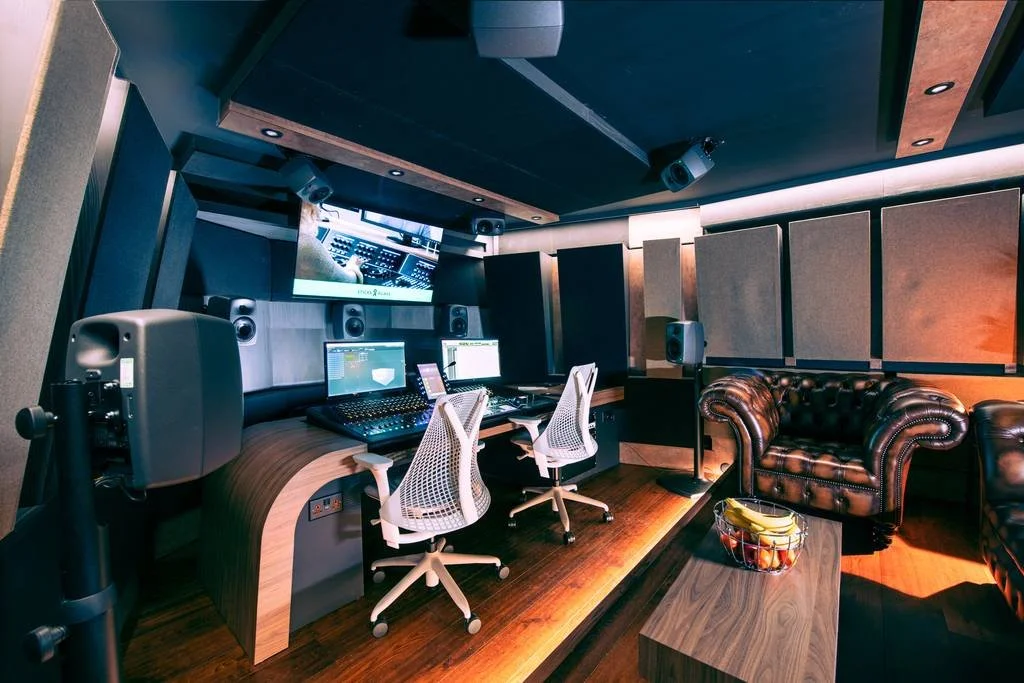
You'll explore the role of the sound mixer and the different stages involved in taking recorded audio through to a finished mix. Working with professional sound mixing equipment and industry-standard software in a professional post-production environment, you'll learn how to balance and shape different audio elements, improve clarity and create sound that supports the story.
Whether you're completely new to audio or looking to develop your existing production and post-production skills, this course will give you an insight into film and TV sound mixing, professional workflows and the role of the sound department within the wider post-production process.
Course Outline
During the course, you'll explore:
Introduction to sound mixing – understanding the role of sound in film and TV and how a professional soundtrack is constructed.
The sound mixer's role – exploring the responsibilities of sound mixers and the different stages of the audio post-production process.
Professional sound mixing environments – gaining hands-on experience using professional sound mixing equipment, monitoring and industry-standard software.
Understanding the soundtrack – exploring dialogue, music, sound effects, atmospheres and other audio elements.
Dialogue editing and mixing – learning how to organise, clean up and balance dialogue to achieve clarity and consistency.
Sound effects and atmospheres – exploring how effects, backgrounds and atmospheres can add depth and realism to a scene.
Music in the mix – understanding how music interacts with dialogue and sound effects and how it can influence mood and storytelling.
Levels and dynamics – learning how to manage audio levels, balance elements and control dynamics within a mix.
EQ and processing – exploring the fundamentals of equalisation and audio processing to improve clarity and shape the sound.
Panning and spatial sound – understanding how positioning sound within the stereo or surround field can create space and perspective.
Working with automation – learning how automation can be used to make precise changes throughout a sequence.
Mixing for storytelling – exploring how creative sound decisions can support emotion, pace, atmosphere and narrative.
Professional workflows – understanding how sound mixing fits into the wider picture and post-production workflow.
Quality control and delivery – exploring basic technical checks and how finished audio is prepared for delivery.
Working professionally – developing an understanding of communication, organisation and professional standards within a post-production sound environment.
Learning Outcomes
By the end of the course, you will be able to:
Understand the role of sound mixing within film and TV post-production.
Identify the key elements that make up a professional soundtrack.
Understand the role and responsibilities of a sound mixer.
Use professional sound mixing equipment and industry-standard audio software.
Organise and prepare dialogue, music, sound effects and atmospheres for mixing.
Balance dialogue, music and sound effects to create a coherent soundtrack.
Apply basic EQ and audio processing techniques.
Understand and manage audio levels and dynamics.
Apply basic panning and spatial audio techniques.
Use automation to make precise adjustments within a mix.
Make creative sound decisions that support storytelling, mood and emotion.
Understand how sound mixing connects with dialogue editing, sound design, picture editing and final delivery.
Apply basic quality control and technical checking procedures.
Understand professional sound mixing workflows and working practices.
Identify potential entry-level roles and next steps towards a career in sound mixing, audio post-production and film and TV.
No previous sound mixing experience is required, although an interest in film, television and audio production would be beneficial.
Get Into Sound Mixing for Film & TV
Introduction
Want to learn how professional sound is mixed for film and television? Get Into Sound Mixing for Film & TV is a practical, hands-on introduction to the creative and technical skills involved in mixing dialogue, music and sound effects to create a professional soundtrack.
You'll explore the role of the sound mixer and the different stages involved in taking recorded audio through to a finished mix. Working with professional sound mixing equipment and industry-standard software in a professional post-production environment, you'll learn how to balance and shape different audio elements, improve clarity and create sound that supports the story.
Whether you're completely new to audio or looking to develop your existing production and post-production skills, this course will give you an insight into film and TV sound mixing, professional workflows and the role of the sound department within the wider post-production process.
Course Outline
During the course, you'll explore:
Introduction to sound mixing – understanding the role of sound in film and TV and how a professional soundtrack is constructed.
The sound mixer's role – exploring the responsibilities of sound mixers and the different stages of the audio post-production process.
Professional sound mixing environments – gaining hands-on experience using professional sound mixing equipment, monitoring and industry-standard software.
Understanding the soundtrack – exploring dialogue, music, sound effects, atmospheres and other audio elements.
Dialogue editing and mixing – learning how to organise, clean up and balance dialogue to achieve clarity and consistency.
Sound effects and atmospheres – exploring how effects, backgrounds and atmospheres can add depth and realism to a scene.
Music in the mix – understanding how music interacts with dialogue and sound effects and how it can influence mood and storytelling.
Levels and dynamics – learning how to manage audio levels, balance elements and control dynamics within a mix.
EQ and processing – exploring the fundamentals of equalisation and audio processing to improve clarity and shape the sound.
Panning and spatial sound – understanding how positioning sound within the stereo or surround field can create space and perspective.
Working with automation – learning how automation can be used to make precise changes throughout a sequence.
Mixing for storytelling – exploring how creative sound decisions can support emotion, pace, atmosphere and narrative.
Professional workflows – understanding how sound mixing fits into the wider picture and post-production workflow.
Quality control and delivery – exploring basic technical checks and how finished audio is prepared for delivery.
Working professionally – developing an understanding of communication, organisation and professional standards within a post-production sound environment.
Learning Outcomes
By the end of the course, you will be able to:
Understand the role of sound mixing within film and TV post-production.
Identify the key elements that make up a professional soundtrack.
Understand the role and responsibilities of a sound mixer.
Use professional sound mixing equipment and industry-standard audio software.
Organise and prepare dialogue, music, sound effects and atmospheres for mixing.
Balance dialogue, music and sound effects to create a coherent soundtrack.
Apply basic EQ and audio processing techniques.
Understand and manage audio levels and dynamics.
Apply basic panning and spatial audio techniques.
Use automation to make precise adjustments within a mix.
Make creative sound decisions that support storytelling, mood and emotion.
Understand how sound mixing connects with dialogue editing, sound design, picture editing and final delivery.
Apply basic quality control and technical checking procedures.
Understand professional sound mixing workflows and working practices.
Identify potential entry-level roles and next steps towards a career in sound mixing, audio post-production and film and TV.
No previous sound mixing experience is required, although an interest in film, television and audio production would be beneficial.