
 Image 1 of 1
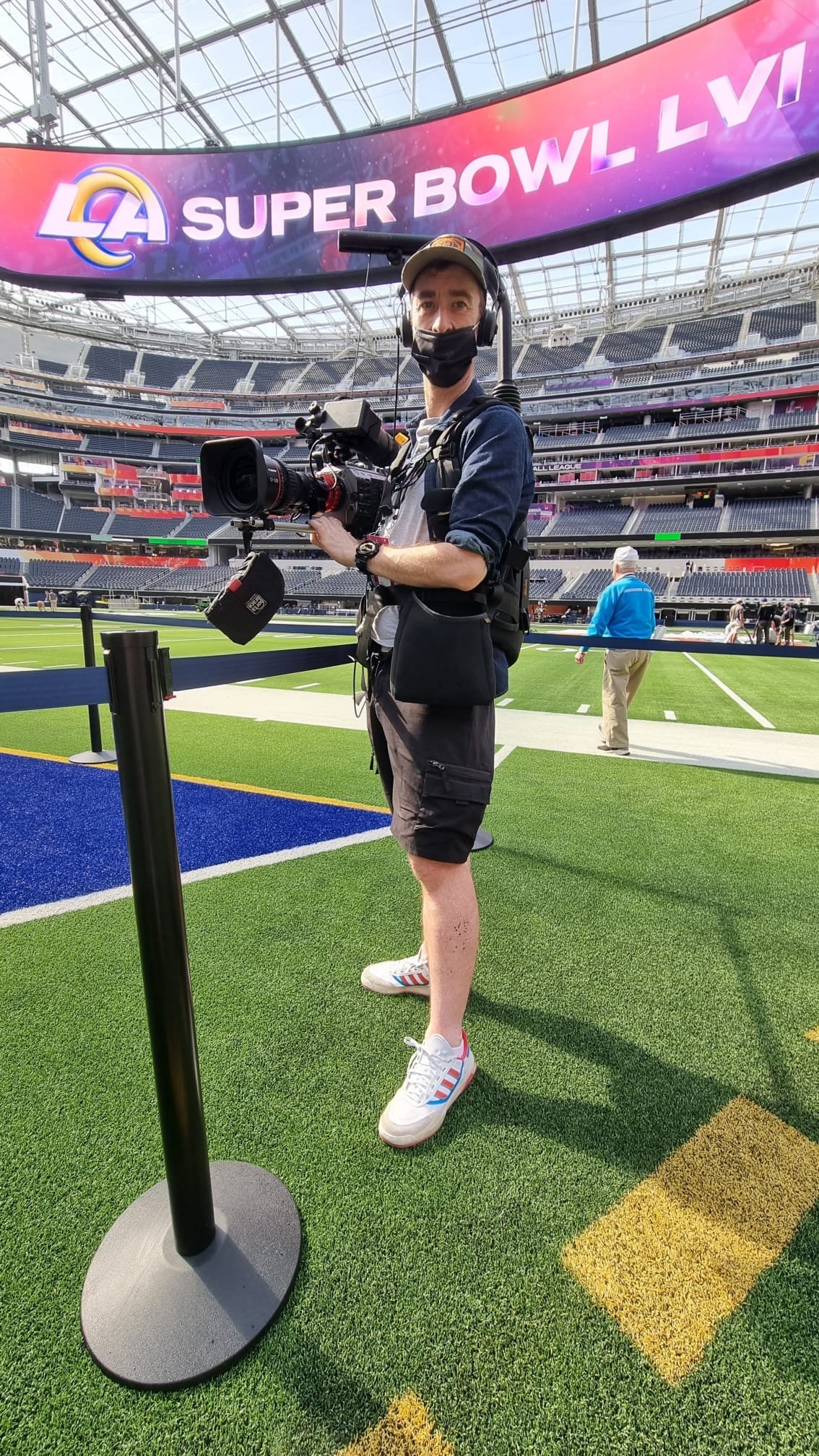
Learn how live sports production comes together from pre-game to final whistle. This practical course introduces the essential roles, workflows, and equipment used in studio and outside-broadcast environments. You’ll cover showrunning, director and producer duties, vision mixing, replay and EVS operation, live audio mixing, camera direction, commentator and presenter support, graphics integration, and signal routing. Hands-on sessions use industry-standard kit to practice multi-camera switching, replays, slow motion, live graphics playout, and basic troubleshooting under simulated live conditions.
Ideal for newcomers and media professionals wanting to move into sports, the course focuses on real-world processes: rundown creation, timing and cueing, communication protocols (IFB/TCP/IP talkback), and collaboration across production teams. By the end you’ll understand each production role’s responsibilities, how to prepare and execute a live sports show, and what skills employers are looking for in junior broadcast crew.
Small class sizes give plenty of practical time and one-to-one feedback. No prior broadcast experience required — just enthusiasm, attention to detail, and a willingness to work in fast-paced live environments.
Learn how live sports production comes together from pre-game to final whistle. This practical course introduces the essential roles, workflows, and equipment used in studio and outside-broadcast environments. You’ll cover showrunning, director and producer duties, vision mixing, replay and EVS operation, live audio mixing, camera direction, commentator and presenter support, graphics integration, and signal routing. Hands-on sessions use industry-standard kit to practice multi-camera switching, replays, slow motion, live graphics playout, and basic troubleshooting under simulated live conditions.
Ideal for newcomers and media professionals wanting to move into sports, the course focuses on real-world processes: rundown creation, timing and cueing, communication protocols (IFB/TCP/IP talkback), and collaboration across production teams. By the end you’ll understand each production role’s responsibilities, how to prepare and execute a live sports show, and what skills employers are looking for in junior broadcast crew.
Small class sizes give plenty of practical time and one-to-one feedback. No prior broadcast experience required — just enthusiasm, attention to detail, and a willingness to work in fast-paced live environments.